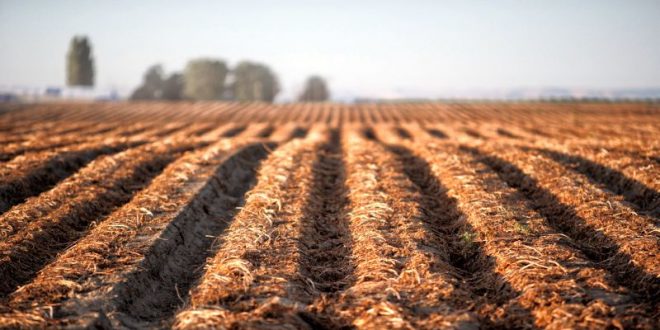
Die Kanada-Manitoba Crop Diversification Centre (CMCDC) soek maniere om die arbeid wat betrokke is by die verwydering van groen aartappelwingerde in die herfs te verminder.
The practice is marketed as a way to combat pathogens such as black dot, Verticillium wilt, early blight, and other diseases that spread through potato crop residue. This is significant, according to experts, also because the combination of vine removal and rotation could reduce reliance on chemical control products, but in practice, the disruption to workflow makes it a difficult proposition.
Volgens Zachary Frederick, 'n toegepaste aartappelnavorsing landboukundige by die Carberry-diversifikasiesentrum verminder verwydering siektedruk. Volgens Manitoba Co-operator kan baie van hierdie siektes op 'n afstand gehou word wanneer dit met rotasie gekombineer word.
Many of these fungi, particularly Verticillium and black dot, require the vine to break down to return the inoculum to the soil. With few other hosts for black dot, vines could be composted or buried in a non-potato-producing field.
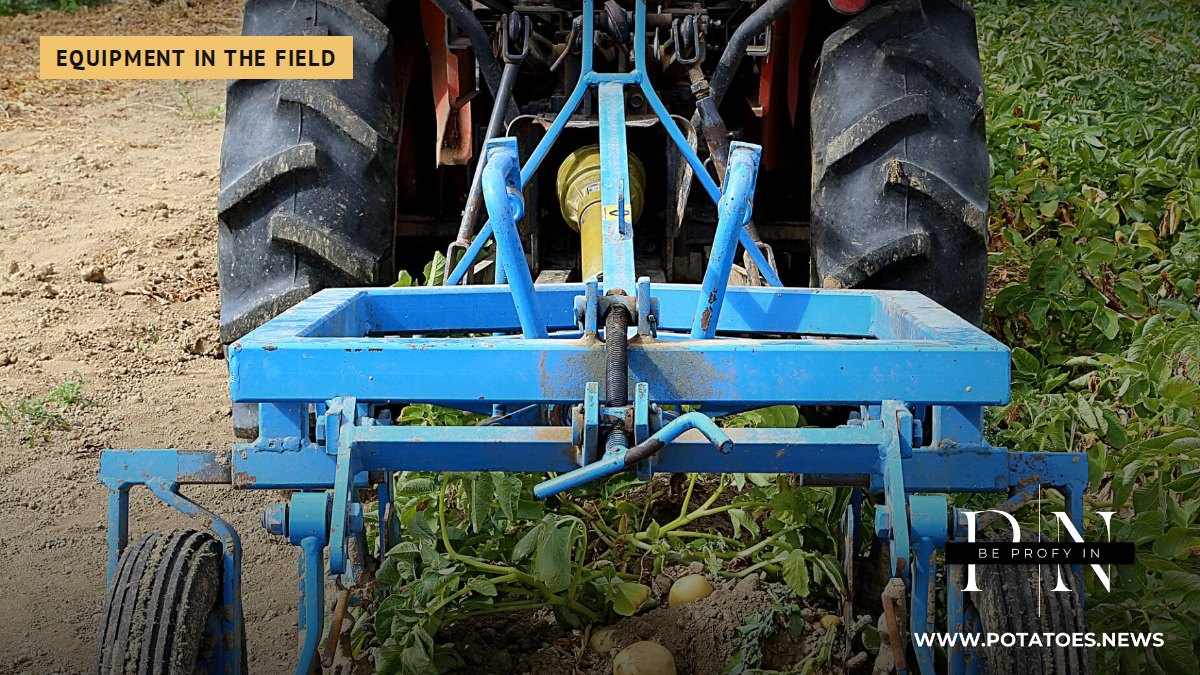
Die CMCDC werk aan 'n projek om die arbeidskwessie aan te spreek. Een voorstel sou 'n aangepaste baler gebruik het om wingerdstokke te verwyder, maar die potensiaal vir skade aan toerusting het die idee maklik uitgestuur.
Another suggestion would employ a cutter to slice vines just under the surface. Experts involved say that this is “great” because the crown where the potato comes out of the ground is where most of the Verticillium and the black dot is, so that is the way to “getting rid of the worst of the worst”.
'N Bron: https://www.potatobusiness.com